
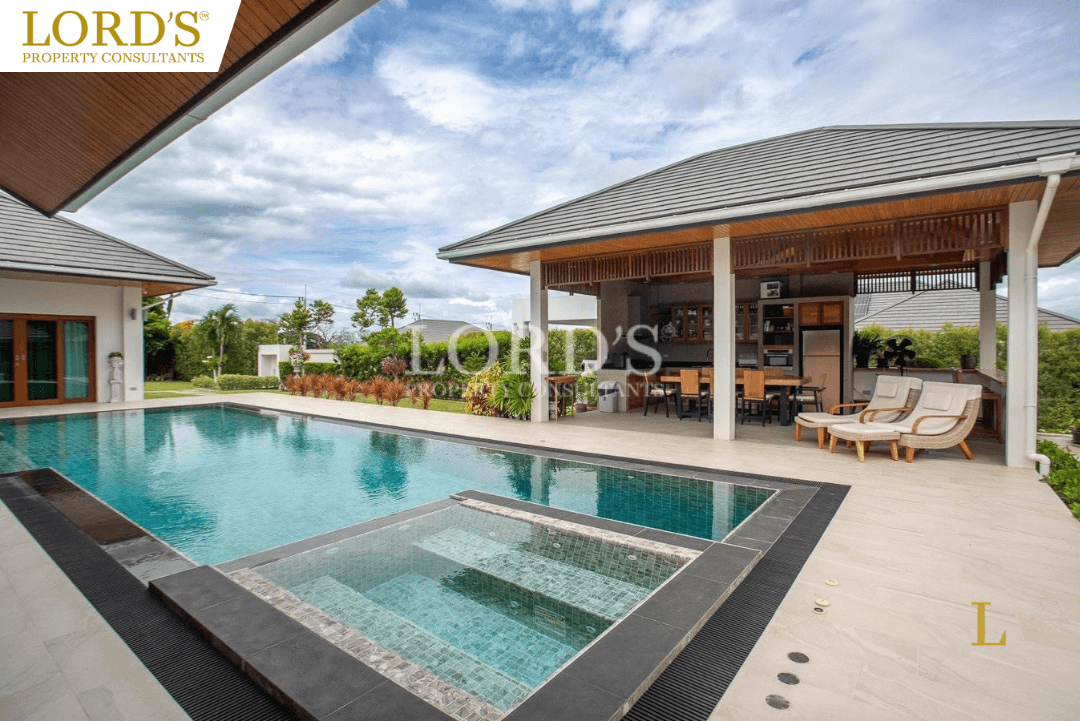
If you’re an American dreaming of a beach home, a peaceful retirement spot, or a smart investment in Thailand, you have probably asked the same question hundreds of others ask every week: can Americans really own property in Thailand? The short answer is yes, you can own property here, but not in the same way you do back home in the United States. Thailand has its own rules, and once you understand them, the path becomes simple and safe.
As a property expert who has lived and worked in Hua Hin for years, I have helped many American buyers turn their Thailand dream into a real, legal, and profitable home. This guide walks you through everything you need to know in plain English. No legal jargon. No hidden tricks. Just the truth about what you can own, what you cannot, how to protect your money, and what makes Hua Hin one of the best places for Americans to buy property in Thailand right now.
Inhaltsübersicht
The Short Answer: Yes, Americans Can Own Property in Thailand
Americans are allowed to own property in Thailand. There is no special ban against US citizens, and the United States and Thailand actually have one of the oldest friendship treaties in the world. However, Thai law treats land differently from buildings. Foreigners (including Americans) cannot own land in their personal name, but they can fully own condominiums, buildings, and houses through legal structures that are used safely every day.
So when people ask “can a US citizen buy a house in Thailand?” or “can Americans buy land in Thailand?”, the honest answer is: you can buy and control property in several legal ways, you just need to pick the right one for your goal. Below are the four main paths Americans use in Hua Hin.
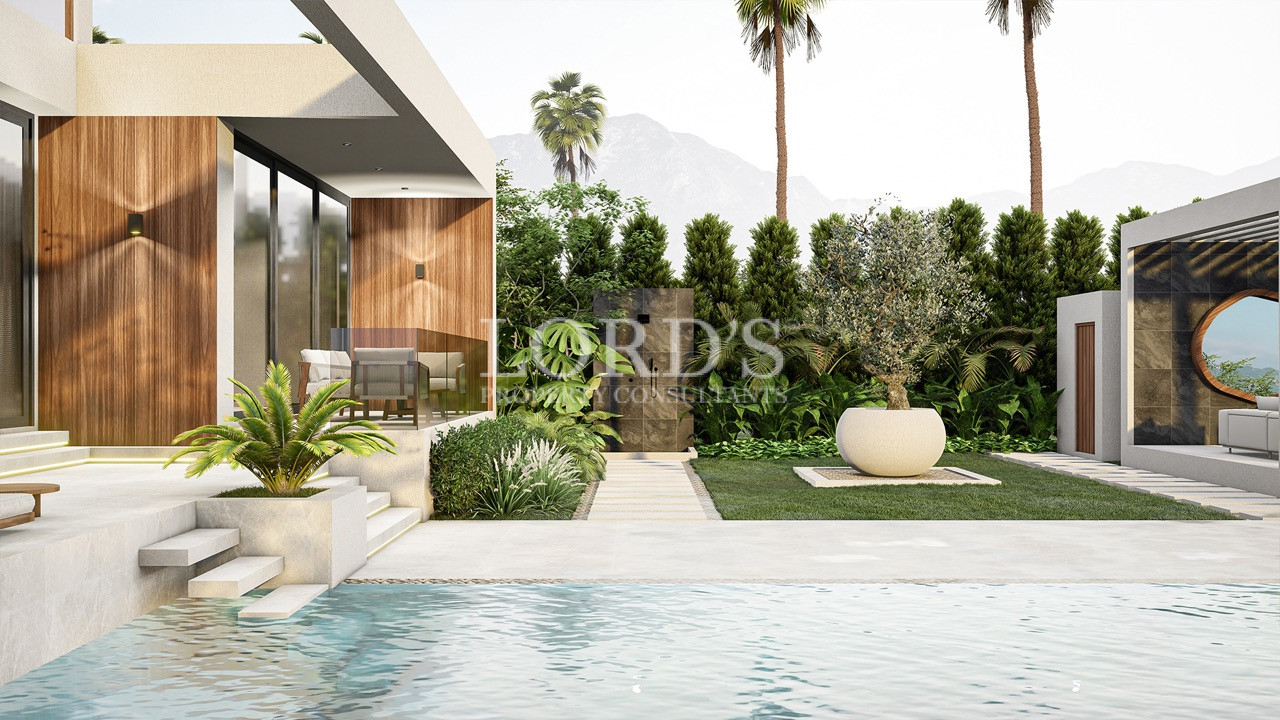
Quick Comparison: How Americans Legally Own Property in Thailand
| Ownership Type | What You Get | Best For | Legal Risk Level |
|---|---|---|---|
| Condo Freehold | 100% ownership of the unit in your name, forever | Easiest and safest option for Americans | Very Low |
| 30-Year Leasehold | Long-term right to use land and live in a villa | Buyers wanting a private house with a pool | Low to Medium |
| Lease + Superficies / Usufruct | You own the house building; land is leased to you | Couples and serious long-term residents | Low (when done right) |
| Thai Spouse Ownership | Land in Thai spouse‘s name, house in yours | Americans married to a Thai citizen | Low (with proper paperwork) |
| Nominee Thai Company | Illegal workaround using fake Thai shareholders | Nobody. Avoid this completely. | ILLEGAL |
Why Can’t Foreigners Own Land in Thailand?
Thailand’s Land Code Act of 1954 is the law that blocks foreigners from owning land directly. The reason is simple: Thailand wants to protect its land from being slowly bought up by outsiders. This is not aimed at Americans specifically; the same rule applies to every foreign nationality, from Germans to Singaporeans.
The good news is that the law was written long before condominiums became popular. So when foreign demand grew, Thailand passed the Condominium Act, which created a special path for foreigners to fully own condo units. That is why buying a condo is the cleanest, fastest, and safest way for an American to own property in Thailand.
Option 1: Buy a Condo in Your Own Name (The Easiest Path)
If you want the simplest answer to “how can an American own property in Thailand,” it is this: buy a condominium. You get a real title deed in your name, you can sell it, rent it out, or pass it to your children, and the whole process feels close to buying property back in the United States.
The 49% Foreign Quota Rule
Every condo building in Thailand has a limit. By law, foreigners as a group can own no more than 49% of the total floor area in the building. The remaining 51% must stay in Thai hands. Before you put down any money, your lawyer or agent should ask the building’s management for a written letter confirming the foreign quota still has space.
In Hua Hin, most quality condo buildings still have foreign quota available, especially newer projects. This is one of the reasons Hua Hin is friendlier to American buyers than Phuket or Pattaya, where many older condos have hit their 49% limit.
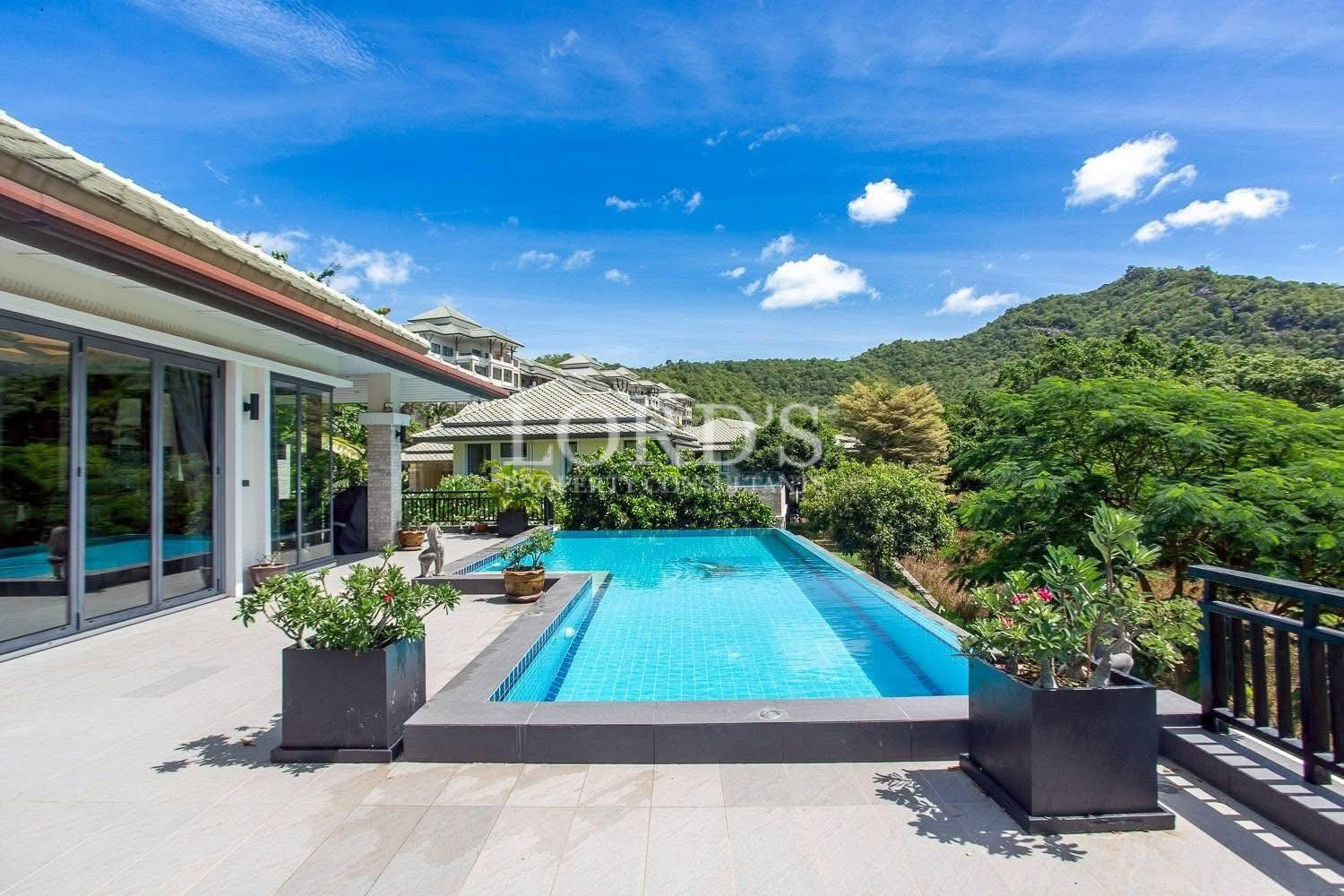
How Much Do Condos Cost in Hua Hin?
Hua Hin offers some of the best value in Thailand. Studios start around $70,000 to $80,000. A comfortable two-bedroom condo with a pool view typically runs between $180,000 and $300,000. Premium beachfront units can reach $500,000 and above. Compared with similar coastal markets in the United States, this is remarkable value.
Typical Condo Prices in Hua Hin (2026)
| Unit Size | Typical USD Price Range | Best Suited For |
|---|---|---|
| Studio | $70,000 – $110,000 | Solo retirees, rental investors |
| 1 Bedroom | $120,000 – $180,000 | Couples, part-time stayers |
| 2 Bedrooms | $180,000 – $320,000 | Families, full-time living |
| 3 Bedrooms / Beachfront | $350,000 – $700,000+ | Luxury buyers, high-end rentals |
Option 2: Long-Term Lease for a House or Villa
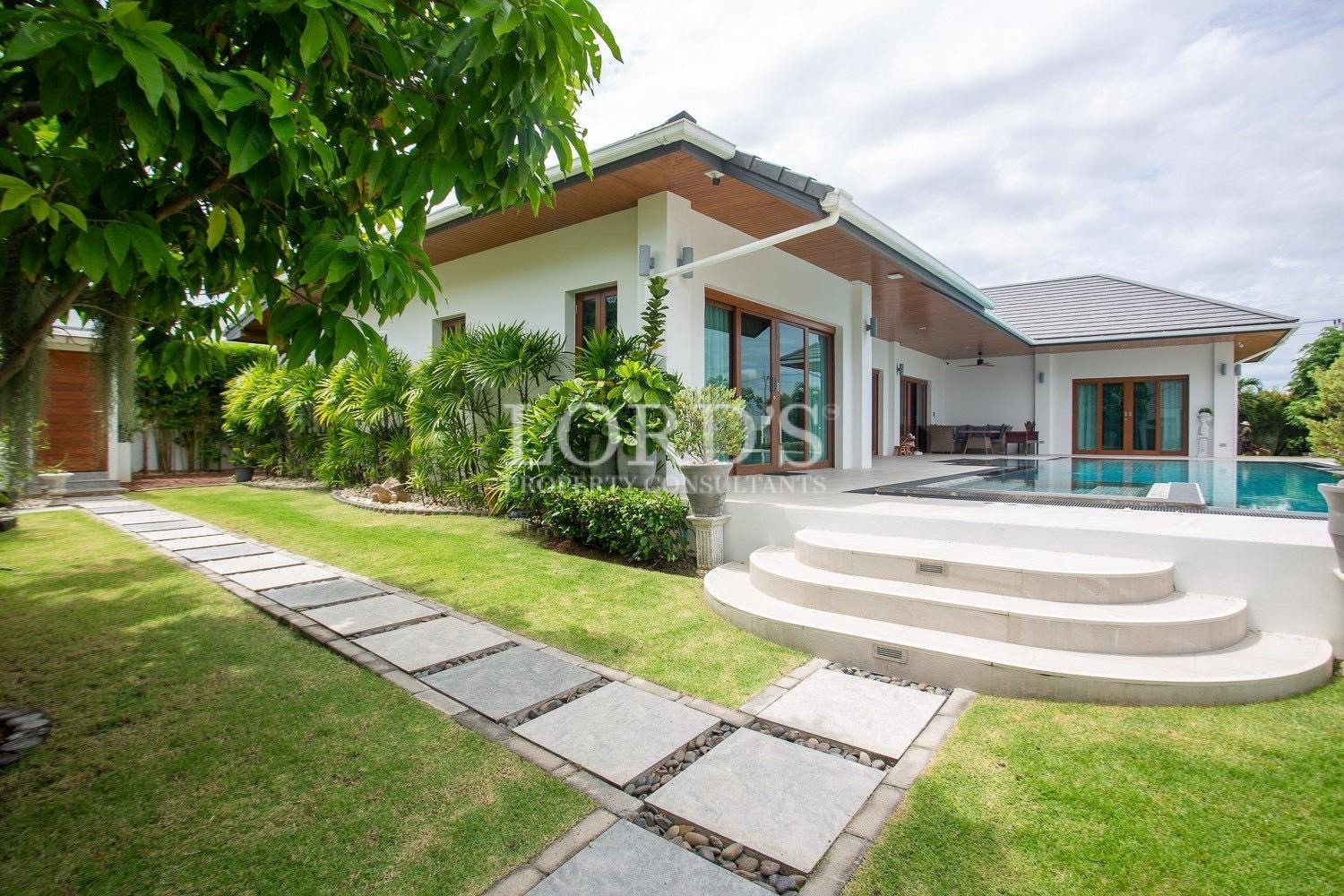
If your dream is a private pool villa with a garden, a condo will not give you that. For a house, Americans usually go the leasehold route. You sign a 30-year lease that is registered at the local Land Office. During those 30 years, the land is legally yours to live on, rent out, or build on, even though the title remains in someone else’s name.
You will often hear sellers promise “30+30+30” or even a “90-year lease.” Be careful here. Under Thai law, only the first 30 years is fully protected. The renewal periods are written into the contract but depend on the goodwill of the landowner at the time. A skilled property lawyer in Hua Hin will write the lease in a way that protects you as much as legally possible, including pre-paid renewal options and inheritance clauses.
Owning the House Itself
Here is something most articles skip: while you cannot own the land, you can legally own the house built on it. The house is treated like a movable asset, similar to a car. The building permit and house registration book (Tabien Baan) can be issued in your American name. This is called the right of superficies. Paired with a 30-year lease, it gives you very strong control over your villa.
Option 3: If You’re Married to a Thai Citizen
If you have a Thai husband or wife, the land can be registered in their name. The catch is that you, as the American spouse, must sign a declaration at the Land Office saying the money came from your spouse’s personal funds. This protects the Thai partner’s right to own land under Thai law.
Even though the land is in your spouse’s name, you can still protect yourself. Smart American buyers also register a 30-year lease in their own name on top of the property, and add a usufruct (a lifetime right to use the land). This way, if anything happens to the marriage or your spouse, you still have a legal right to remain in your home.
The Big Mistake to Avoid: The Thai Nominee Company
You may hear advice from informal sources telling you to set up a Thai company with Thai “nominee” shareholders so the company can buy land. This is illegal. Thai authorities have increased enforcement on this practice, and getting caught means losing the property completely, plus possible criminal charges.
A real Thai company with genuine Thai business partners is a different matter and can be used for actual business operations. But setting up a shell company just to dodge the foreign land law is the number one trap that costs Americans their entire investment. Walk away from anyone who suggests it.
What Americans Forget: Your US Tax Obligations Don’t Stop
This is where most Thailand property guides fail American buyers, and where I see real money lost. The United States is one of the only countries in the world that taxes its citizens on worldwide income. Owning property in Thailand does not free you from the IRS.
Here is what you need to know before you wire money to Thailand:
- FBAR Filing: If you open a Thai bank account to handle the purchase and it ever holds more than $10,000, you must file FinCEN Form 114 every year.
- FATCA Form 8938: Higher account balances trigger an extra IRS form. Thresholds start at $50,000 for US residents and $200,000 for Americans living abroad.
- Rental Income: If you rent out your Hua Hin condo, that income must be reported on Schedule E of your US tax return. You can claim a Foreign Tax Credit to avoid double taxation.
- Capital Gains: When you sell, you may owe US capital gains tax even after paying Thai transfer fees.
The penalties for missing these filings can be brutal, sometimes more than $10,000 per missed form. Before you buy, spend an hour with a CPA who handles expat tax matters. It is the cheapest insurance you will ever buy.
How to Send Your Money to Thailand the Right Way
This step matters more than people realize. To register a condo in your name as a foreigner, Thai law requires that the purchase money arrive in Thailand from outside the country, in foreign currency, and get converted to Thai Baht inside Thailand. Skip this step and you cannot register your ownership.
Here is how to do it right:
- Open a Thai bank account in your name (most banks will allow this with your passport and a visa).
- Wire your US dollars from your American bank directly to the Thai bank. Never convert to Baht before sending.
- Ask the Thai bank to issue a Foreign Exchange Transaction Form (FETF) for any amount over $50,000. This document is your legal proof of foreign funds and is needed at the Land Office.
- Keep every receipt. The Land Office will ask for them at the title transfer.
One more tip: the current exchange rate is around 34 to 35 Thai Baht per US dollar. A small move of even 5% can change your buying power by thousands of dollars. Many of my American clients send funds in two or three batches to average out the rate rather than betting everything on one day.
Why Americans Are Choosing Hua Hin Over Phuket and Pattaya
Hua Hin sits about three hours south of Bangkok on the Gulf of Thailand. It used to be the royal family’s beach retreat, and that quiet, polished feel still defines the town today. For Americans, it offers something the louder resorts simply cannot match.
Here is why my American clients keep choosing Hua Hin:
- Safer streets and a family-friendly vibe compared with the nightlife-heavy areas of Pattaya.
- World-class healthcare. Bangkok Hospital Hua Hin is internationally accredited and a major reason retirees feel safe here.
- Steady price growth of 3% to 7% per year, with beachfront condos appreciating up to 35% since 2020.
- Strong rental yields of 5% to 7% per year, and up to 10% on well-managed short-term rentals.
- Foreign condo quota still available in most quality buildings, unlike Phuket and Pattaya where many projects are full.
- High-speed rail from Bangkok coming by 2032, which will likely lift property values further.
Best Hua Hin Neighborhoods for American Buyers
| Area | What It Offers | Best For |
|---|---|---|
| Hua Hin Stadtzentrum | Walking distance to beach, restaurants, night market, and Bangkok Hospital | First-time buyers, retirees |
| Khao Takiab | Quieter beachfront south of town, popular with long-stay foreigners | Beach lovers |
| Palm Hills / Black Mountain | Golf course villas with mountain views, large family homes | Golfers, families |
| Hin Lek Fai | Hilltop area, cooler air, panoramic views | Luxury villa buyers |
| Pranburi (south) | Wilder, less developed beach area with bigger plots | Privacy seekers |
Step-by-Step: How an American Buys Property in Hua Hin
- Visit Hua Hin first. Spend at least a week here before committing. The town has very different feels in different seasons.
- Decide between condo or villa. Condo means simple, freehold, in your name. Villa means lease plus a building you own.
- Hire an independent property lawyer. Do not use the developer’s lawyer. Expect to pay around $1,500 to $3,000 for a full due-diligence service.
- Verify the title deed. The strongest title in Thailand is the Chanote. Anything else (Nor Sor 3, Nor Sor 3 Gor) carries more questions and should be reviewed carefully.
- Check the foreign quota (for condos) by getting a written confirmation letter from the building’s juristic office.
- Sign the Sales and Purchase Agreement with a deposit of 10% to 30%. Make sure it lists who pays which taxes and what happens if either side backs out.
- Wire the funds from the US in foreign currency. Get your FETF from the Thai bank.
- Transfer at the Land Office. You, the seller, and both lawyers go in person. Taxes are paid on the spot, the title deed is updated, and you walk out an owner.
How Much Does It Really Cost? Taxes and Fees
On top of the property price, expect to pay around 4% to 7% in closing costs. These are usually split between buyer and seller, and in Hua Hin it is common to negotiate the split as part of the deal.
| Cost | Rate | Usually Paid By |
|---|---|---|
| Transfer Fee | 2% | Often split 50/50 between buyer and seller |
| Stamp Duty | 0.5% | Seller (only if Specific Business Tax does not apply) |
| Specific Business Tax | 3.3% | Seller (if they owned less than 5 years) |
| Withholding Tax | 1% (or sliding scale) | Seller |
| Lawyer Fees | $1,500 – $3,000 | Buyer |
Quick Answers for American Buyers
Can a US citizen buy a house in Thailand?
Yes, but with a twist. You cannot buy the land under the house in your own name. You can lease the land for 30 years and fully own the house structure on top of it through a right called superficies. Many Americans use this combination to live in their dream Hua Hin villa.
Can Americans get a mortgage in Thailand?
Almost never from a Thai bank. A few foreign branches like UOB Singapore or some Hong Kong banks offer loans for Thai property, but they usually require a 50% down payment, charge higher interest rates, and need solid proof of overseas income. Most Americans pay cash or use a home equity loan against their US property.
How long can an American stay in Thailand if they own property?
Owning property does not give you a visa. You still need a separate immigration permit. The good options for property owners include the Long-Term Resident (LTR) Visa for 10 years, the Destination Thailand Visa (DTV) for digital nomads and retirees, the Retirement Visa for those over 50 with proof of income, and the Elite Visa for longer-term stays.
Is buying property in Thailand a good investment for Americans?
It can be, especially in Hua Hin. Annual price growth of 3% to 7% combined with rental yields of 5% to 7% can produce solid total returns. But you should buy with a lifestyle mindset first and investment second. Currency swings, US tax rules, and the lack of mortgage leverage mean Thailand should be one piece of your portfolio, not all of it.
What happens to my Thailand property when I die?
Without proper planning, your family will face a long and expensive Thai probate. Two things every American owner should do: write a Thai will (in addition to your US will) that specifically covers your Thai assets, and add inheritance clauses to your lease or condo paperwork. Children of foreign condo owners can inherit the unit, but they must comply with the same 49% quota rule.
Can I rent out my Hua Hin condo on Airbnb?
Yes, but only for stays of 30 days or longer in most condo buildings. Short-term daily rentals are technically illegal under the Thai Hotel Act unless the building has a hotel license. Many Hua Hin buildings now offer hotel-licensed rental programs run by professional managers, which is the safest way to earn rental income.
Are 90-year leases real?
No, that is a marketing phrase. Thai law only protects the first 30 years. The “30+30+30” structure relies on contract promises for the next two renewals, and those depend on the landowner’s cooperation in the future. A good lawyer can strengthen your renewal rights, but no one can fully guarantee them.
Do I need to be in Thailand to buy property?
Not necessarily. You can grant your Thai lawyer a Power of Attorney, and they can sign the documents and complete the transfer at the Land Office on your behalf. That said, I always recommend at least one in-person visit to see the property and the area with your own eyes before committing.
The Five Most Costly Mistakes Americans Make
- Using the developer’s lawyer instead of an independent one. The two have very different interests.
- Buying off-plan from an unknown developer. Always check if the developer has finished other projects on time and to the promised standard.
- Skipping the FETF document. Without it you cannot register foreign ownership of a condo.
- Forgetting about US tax filings. FBAR and FATCA penalties have ruined more American buyers than any bad property deal.
- Falling for the nominee company pitch. It is illegal and the enforcement is real.
Final Word from a Hua Hin Property Expert
Yes, Americans can absolutely own property in Thailand. The rules are clear, the process is well-tested, and thousands of US citizens already enjoy beautiful homes here. The key is to respect the law, work with people who know it inside out, and avoid the shortcuts that promise too much.
Hua Hin in particular offers what most American buyers actually want: a quiet, safe town with great healthcare, a strong rental market, and real foreign-quota availability in modern condo buildings. Whether you are looking at a $90,000 beach studio for retirement or a $500,000 pool villa for the family, the path to legal ownership is straightforward when you do it right.
Take your time, visit Hua Hin in person, hire an independent Thai property lawyer, plan your US tax position, and you will join the many Americans who already call this place home. The dream is real. It just needs the right paperwork.




Beteiligen Sie sich an der Diskussion