
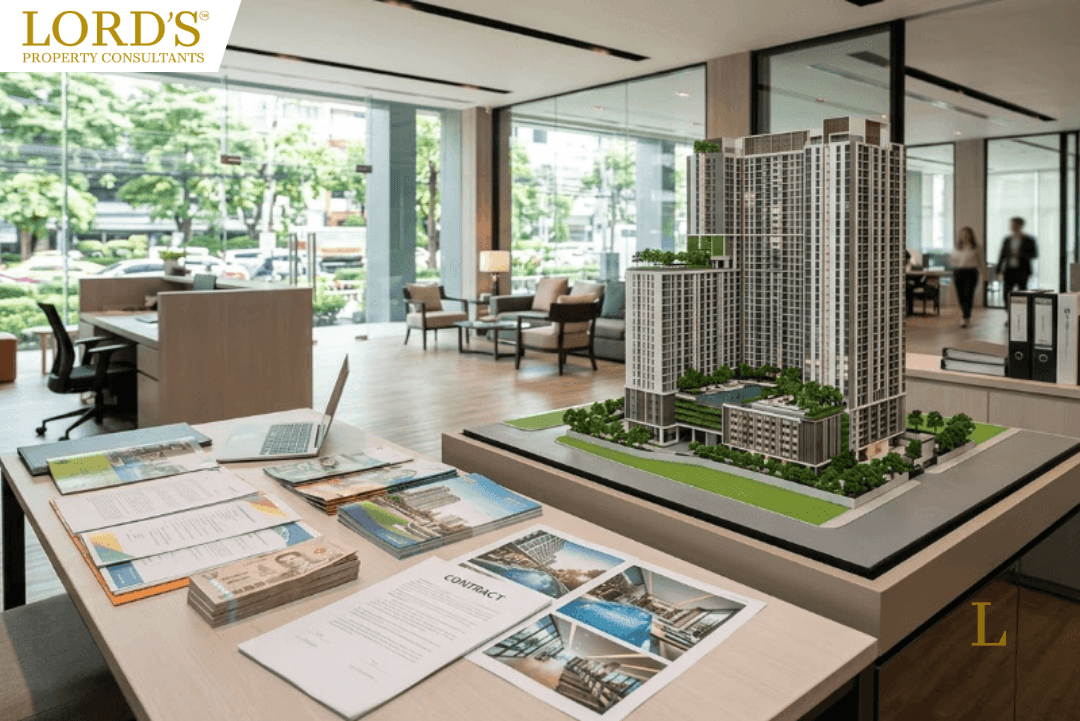
Buying property in Thailand often looks simple at first. The prices feel attractive, the lifestyle is appealing, and many listings make it seem like a smooth process. But behind the advertised price, there are several hidden costs that can catch buyers off guard if they are not fully prepared. One of the smartest ways to avoid surprises is choosing a condominium under foreign ownership, which we often recommend because it reduces legal complexity and unexpected expenses. Still, even with the safest option, there are costs that many buyers only discover after it is too late. This article will walk you through the real expenses you need to plan for, so you can protect your budget and move forward with confidence.
Inhaltsübersicht
Why Hidden Costs Matter More Than the Property Price
When buying property, most people focus only on the listed price. It is easy to compare listings and think you are getting a great deal. However, the actual cost of owning property in Thailand goes beyond that number.
Hidden costs can quietly add a significant amount to your total spending. In some cases, buyers end up paying ten to fifteen percent more than they expected. This can affect your financial plans, especially if you are working within a fixed budget.
Understanding these costs early helps you make better decisions. It also gives you more control during negotiation and prevents last minute stress. Instead of reacting to surprises, you stay one step ahead.
Transfer Fees and Government Charges
One of the first extra costs you will face is the transfer fee. This fee is paid to the land department when ownership is officially transferred.
The standard transfer fee is usually around two percent of the registered property value. In some cases, buyers and sellers agree to split this cost, but this is not always guaranteed. You should always confirm this before making any agreement.
There are also other government related charges, such as stamp duty or specific business tax. The exact amount depends on how long the seller has owned the property and other legal factors.
These costs are often not clearly explained upfront, which is why many buyers feel surprised on the transfer day.
Legal Fees and Due Diligence Costs
Many buyers try to save money by skipping legal support, but this can lead to bigger problems later. Hiring a lawyer is not just an extra cost, it is a necessary step for protection.
Legal fees usually cover contract review, ownership checks, and verification of the property title. These steps ensure that the property is free from disputes or hidden liabilities.
The cost of legal services may vary depending on the complexity of the transaction. While it adds to your budget, it protects you from risks that could cost far more in the future.
Think of it as an investment in peace of mind rather than an optional expense.
Maintenance Fees and Sinking Funds
If you are buying a condominium, you will need to pay ongoing maintenance fees. These fees cover the cost of building management, security, cleaning, and shared facilities.
In addition to monthly fees, many developments require a one time payment known as a sinking fund. This fund is used for major repairs or upgrades in the future.
These costs are often overlooked when buyers focus only on the purchase price. Over time, they can add up, especially in luxury developments with high end facilities.
Before buying, always ask for a clear breakdown of these fees so you know exactly what to expect.
Utility Setup and Connection Costs
After purchasing your property, you may need to pay for utility setup. This includes electricity, water, and sometimes internet connections.
In some cases, there are deposits required before services are activated. These deposits can vary depending on the provider and the type of property.
While these costs are not extremely high, they are still part of your overall budget. Planning for them helps you avoid small but annoying financial surprises.
Furniture and Interior Costs
Many properties in Thailand are sold either unfurnished or partially furnished. Even if the property looks ready to move in, you may still need to spend money on furniture, appliances, and decoration.
This is especially true for villas or larger units where furnishing costs can become quite significant. Buyers often underestimate how much it takes to fully set up a home.
If you plan to rent out the property, furnishing becomes even more important. A well furnished unit attracts better tenants and higher rental income.
Currency Exchange and Transfer Costs
For foreign buyers, bringing money into Thailand involves currency exchange. Small differences in exchange rates can have a noticeable impact when dealing with large amounts.
Banks and transfer services may also charge fees for international transfers. These costs are not always obvious at first but can add up during the payment process.
Choosing the right transfer method and timing your exchange can help reduce these expenses. It is worth paying attention to this detail, especially for high value transactions.
Property Management and Rental Costs
If you do not plan to live in the property full time, you may need property management services. These services handle tasks like tenant communication, maintenance, and rent collection.
Management fees are usually a percentage of your rental income. While this reduces your profit slightly, it saves you time and effort.
There may also be costs related to marketing your property for rent, cleaning between tenants, and minor repairs. These ongoing expenses should be included in your financial planning.
Renovation and Repair Expenses
Even new properties can require adjustments. You might want to change layouts, upgrade materials, or fix small issues after moving in.
Older properties may need more serious repairs, such as plumbing or electrical work. These costs can vary widely depending on the condition of the property.
It is always a good idea to set aside a renovation budget, even if the property looks perfect during viewing.
Taxes on Rental Income
If you plan to rent out your property, you will need to consider taxes on rental income. The amount depends on your income level and tax structure.
Some buyers overlook this completely and only think about rental returns. Including taxes in your calculations gives you a more realistic picture of your actual profit.
Understanding tax obligations also helps you stay compliant and avoid legal issues in the future.
Insurance Costs for Protection
Property insurance is another cost that many buyers ignore. While it is not always mandatory, it is highly recommended.
Insurance can protect you from damage caused by fire, natural disasters, or accidents. For landlord’s, it can also cover certain risks related to tenants.
The cost of insurance depends on the property type and coverage level. It is a small price to pay for long term security.
Common Mistakes That Increase Hidden Costs
One of the biggest mistakes buyers make is focusing only on the purchase price and ignoring everything else. This leads to poor budgeting and unexpected stress.
Another mistake is trusting verbal promises without written confirmation. Always make sure all agreements are clearly stated in the contract.
Rushing the buying process can also lead to missed details. Taking your time allows you to identify hidden costs before they become a problem.
How to Plan Smart and Avoid Surprises
The best way to handle hidden costs is to plan for them from the beginning. Start by setting a budget that includes at least ten percent extra for additional expenses.
Ask clear questions during every step of the buying process. Do not hesitate to request detailed breakdowns of fees and charges.
Working with experienced professionals can also make a big difference. They can guide you through the process and help you avoid common pitfalls.
Most importantly, stay informed. The more you understand, the more confident you will feel when making decisions.
Final Thoughts
Buying property in Thailand can be a rewarding experience, but only if you are fully prepared. Hidden costs are not meant to scare you, they are simply part of the process.
By understanding these expenses in advance, you protect your investment and avoid unnecessary stress. Whether you choose a condominium or another property type, planning carefully ensures a smoother journey.
When you look beyond the price and focus on the full picture, you make smarter decisions. This is what turns a good investment into a great one.
FAQs
What is the transfer fee for buying a property in Thailand?
The standard transfer fee for property in Thailand is 2% of the registered value of the asset. This fee is paid at the Land Department during the ownership transfer process. While responsibility can be negotiated, it is often split 50/50 between the buyer and the seller. However, without a clear clause in the Sales and Purchase Agreement, buyers might unexpectedly face the full 2% cost. Lord’s Property Consultants always verifies this point during due diligence to protect our clients from unforeseen closing costs.
Who pays specific business tax when selling Thai property?
Specific Business Tax (SBT) of 3.3% (including municipal tax) is generally paid by the seller if they have owned the property for less than five years. If the property is held for over five years or is the seller’s primary residence for at least one year, Stamp Duty (0.5%) is paid instead. At Lord’s Property Consultants, we analyze the seller’s holding period to determine exactly which tax applies, ensuring our clients enter negotiations with a precise understanding of the final transaction costs.
Is a lawyer necessary when buying property in Thailand?
Yes, engaging a qualified lawyer is essential. Thai property law has unique restrictions for foreigners, especially regarding land ownership. A lawyer conducts crucial due diligence, including title deed verification to ensure it’s free of liens or encumbrances, checks zoning regulations, and reviews the Sales and Purchase Agreement. Skipping this step to save on fees can lead to severe legal complications and financial loss in the future.
What are sinking fund payments in Thai condos?
A sinking fund is a one-time lump-sum payment required from all co-owners in a new condominium development. This money is set aside in a reserve account for major, non-recurring future expenses, such as repairing the roof, repainting the building, or replacing elevators. The cost is typically calculated per square meter of the unit and can be a substantial upfront expense that many buyers overlook.
How much are typical condo maintenance fees in Thailand?
Common Area Management (CAM) fees, or maintenance fees, are ongoing charges that cover the daily operations of the condominium, including 224/7 security, cleaning, landscaping, and the upkeep of shared facilities like the swimming pool and gym. These fees are calculated based on the square meterage of your unit and are usually paid on an annual or bi-annual basis. Lord’s Property Consultants advises clients to review the previous year’s management budget to anticipate these recurring costs.
Are there any taxes on rental income for foreigners in Thailand?
Yes, rental income derived from a property in Thailand is subject to Thai Personal Income Tax, regardless of whether the owner is a resident or non-resident. The tax is calculated on a progressive scale. Foreigners must declare this income and pay the applicable tax annually. Additionally, if you use a rental management company, a withholding tax (typically 5%) is often deducted from the rental payment.
What are the risks of currency exchange when buying property abroad?
When purchasing Thai property with foreign currency, small fluctuations in the exchange rate can significantly alter the final purchase price in your home currency. Additionally, international bank transfer fees can add up. Using a specialist currency exchange broker often provides better rates and lower transaction fees than traditional banks. Lord’s Property Consultants can recommend reliable partners to help buyers optimize these funds.
What is a foreign quota in a Thai condominium?
Under the Thai Condominium Act, foreigners can own up to 49% of the total aggregate unit space in a single condominium building on a freehold basis. This is known as the “foreign quota.” The remaining 51% must be owned by Thai nationals or companies. Buying within the foreign quota is the most straightforward and secure way for foreigners to own property in Thailand.
Are properties in Thailand sold fully furnished?
Property furnishing status in Thailand varies greatly. Some developers offer fully furnished units, while others provide “fully fitted” (kitchen and bathroom only) or completely unfurnished options. Pre-owned properties may or may not include furniture. Buyers must always clarify exactly what is included in the sale price to avoid the unexpected and often significant cost of fully furnishing a new home.
What ongoing costs should I expect for a Thai villa?
Unlike condominiums, villa owners are directly responsible for all upkeep and utility costs. This includes landscaping and pool maintenance (often specialized services), pest control, security (unless in a gated community), building insurance, and all electricity and water bills. For a vacant or rented villa, property management fees are also a key recurring expense.



Beteiligen Sie sich an der Diskussion