
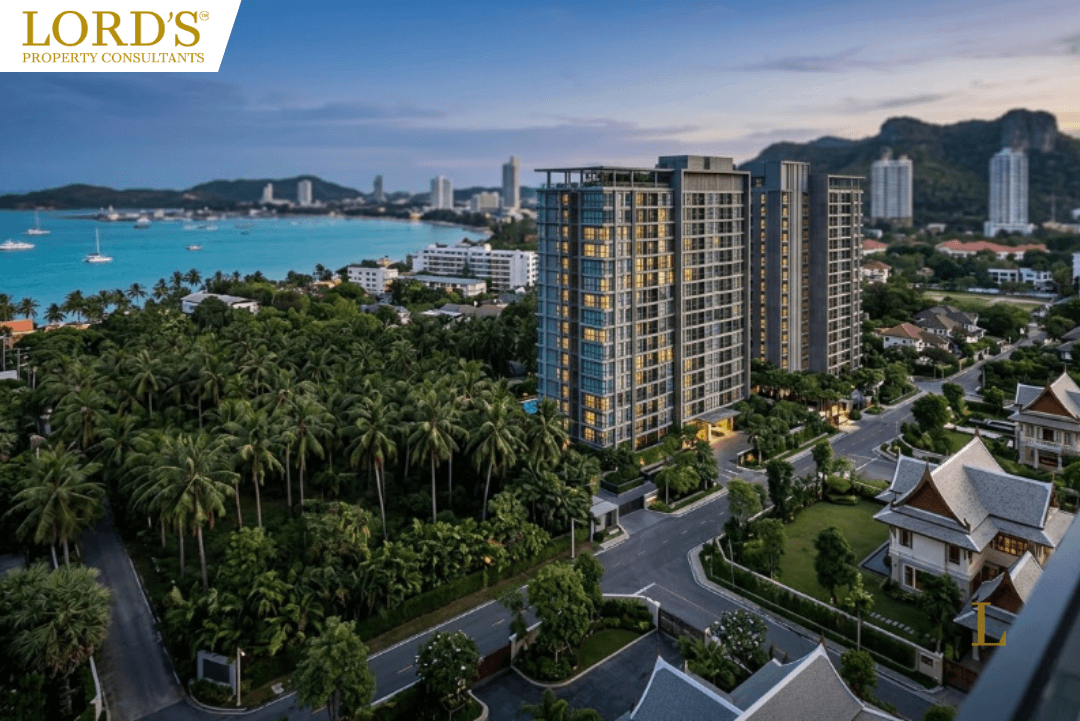
Buying property in Thailand as a foreigner often brings one important question right at the start, which is whether to choose leasehold or freehold ownership. Both options are widely used in the Thai property market, but they offer very different levels of control, security, and long term value. In most cases, freehold condominium ownership under foreign quota stands out as the safest and most practical choice, especially for buyers who want full legal ownership and fewer complications. However, leasehold can still be useful in certain situations, particularly for villas or land-based properties. Understanding how each option works will help you avoid costly mistakes and choose a path that fits your goals. This article will clearly explain everything you need to know so you can move forward with confidence.
Why Ownership Structure Matters More Than You Think
When buying property in Thailand, many buyers focus on location, price, and design. These are all important, but ownership structure is just as critical. It determines your legal rights, how long you can keep the property, and what you can do with it in the future.
If you misunderstand ownership rules, you may end up with limited control over your property. This can affect your ability to sell, transfer, or even pass the property to your family. That is why understanding leasehold and freehold is not just a legal detail. It is the foundation of your entire investment.
Making the right choice at the beginning saves you from problems later. It also gives you peace of mind, knowing that your property is secure.
What Is Freehold Ownership in Thailand
Freehold ownership means you fully own the property in your name. For foreigners, this is mainly possible with condominiums, as long as the building has available foreign ownership quota.
When you buy a freehold condominium, your name is registered on the title deed. This gives you long term ownership without a time limit. You can sell, transfer, or pass the property to your heirs without restrictions.
This type of ownership is considered the most secure option for foreign buyers. It offers clarity and reduces legal risks. That is why many experienced investors prefer freehold condos over other property types.
Another advantage is resale value. Freehold properties are often easier to sell because buyers feel more confident about full ownership.
What Is Leasehold Ownership in Thailand
Leasehold ownership is different because you do not own the property itself. Instead, you lease it for a fixed period, usually up to thirty years.
This type of ownership is commonly used for villas and land, as foreigners are not allowed to directly own land in Thailand. A lease agreement gives you the right to use the property for the agreed period.
Some contracts include options to renew the lease, but these renewals are not always guaranteed by law. This creates some uncertainty for long term ownership.
Leasehold can still be a good option if structured properly. It allows foreigners to enjoy larger properties and private homes that are not available under freehold ownership.
Key Differences Between Leasehold and Freehold
Understanding the differences between these two options helps you make a better decision.
Freehold offers full ownership with no time limit. Leasehold gives you usage rights for a fixed period. Freehold provides stronger legal protection, while leasehold depends heavily on the contract terms.
Freehold properties are generally easier to resell. Leasehold properties may become harder to sell as the remaining lease period gets shorter.
From a financial perspective, freehold is often seen as a long term asset. Leasehold is more like a long term rental with certain ownership-like benefits.
These differences may seem simple, but they have a big impact on your investment outcome.
Why Freehold Condominiums Are Often the Best Choice
For most foreign buyers, freehold condominiums offer the best balance of safety, simplicity, and value.
The legal framework for foreign ownership of condos is clear and well established. This reduces the risk of disputes or misunderstandings.
Maintenance is also easier compared to villas. Building management takes care of common areas, security, and facilities. This is ideal for buyers who do not live in Thailand full time.
Freehold condos are also more liquid. This means you can sell them more easily if you decide to exit the investment.
Because of these advantages, freehold condominiums are often considered the most practical entry point into the Thai property market.
When Leasehold Might Make Sense
Even though freehold is often preferred, leasehold still has its place in the market.
If you are looking for a private villa with more space and outdoor living, leasehold may be your only option as a foreigner. These properties offer a lifestyle that condominiums cannot always provide.
Leasehold can also work for buyers who plan to stay in Thailand for a specific period rather than permanently. In this case, the fixed lease term may align with your personal plans.
However, it is important to review the lease agreement carefully. Make sure all terms are clear, especially regarding renewal options and responsibilities.
With proper planning, leasehold can still deliver good value and enjoyment.
Common Risks Foreign Buyers Should Avoid
One of the biggest risks is not fully understanding what you are signing. Some buyers assume that lease renewals are guaranteed, but this is not always the case.
Another common mistake is relying on informal agreements. Everything should be clearly written in the contract and legally verified.
Some buyers also overlook the importance of due diligence. Checking the property title, ownership history, and legal status is essential.
Avoid rushing into a purchase without proper advice. Taking time to understand the details can save you from serious problems later.
How Ownership Affects Your Investment Returns
Ownership structure also plays a role in your financial returns.
Freehold properties tend to hold their value better over time. They are more attractive to future buyers, which supports resale prices.
Leasehold properties may decrease in value as the lease period shortens. This can affect your ability to sell at a good price.
Rental income can be strong for both types, but buyers often prefer renting freehold properties because of their stability.
Choosing the right ownership structure helps protect both your income and your long term investment.
FAQs
What is the foreign quota for buying a condo in Thailand?
Under the Condominium Act, foreigners can own freehold units in a building as long as the total foreign ownership does not exceed 49% of the total sellable floor area. It is critical to obtain a “Quota Letter” from the building’s juristic office before purchase; Lord’s Property Consultants emphasizes that failing to verify this can lead to the Land Department rejecting your title deed registration.
Is a 30+30+30 year leasehold legally guaranteed in Thailand?
While developers often market 90-year leases, Thai law only recognizes and enforces a maximum of 30 years per registration. Any additional 30-year extensions are contractual promises between the buyer and the landlord, not a statutory right. To mitigate this risk, Lord’s Property Consultants recommends including specific “succession clauses” to ensure the lease remains valid for your heirs in the event of your passing.
What is the safest way for a foreigner to buy property in Thailand?
The gold standard for security is a Freehold Condominium held in your own name. This grants you a perpetual title deed (Chanote) and the same ownership rights as a Thai national. Lord’s Property Consultants advises that this route offers the highest liquidity and easiest resale process, as it avoids the complexities of lease renewals and corporate nominee structures.
How do I transfer money to Thailand to buy a condo?
To register a freehold condo, you must transfer funds from abroad in a foreign currency and obtain a Foreign Exchange Transaction Form (FETF) from the receiving Thai bank. This document is legal proof that the investment originated from outside Thailand; without it, the Land Department will not allow the transfer of the title deed into a foreigner’s name.
Can I inherit property in Thailand as a foreigner?
Foreigners can inherit freehold condominiums, but they must still qualify under the 49% foreign quota rules. If the quota is full or the heir does not meet the legal requirements for ownership, Thai law typically requires the property to be sold within one year of the inheritance. Proper estate planning is essential to ensure your family retains the value of the investment.
What are the main risks of buying leasehold property?
The primary risk is the lack of “dominion” over the land, meaning you are technically a tenant rather than an owner. If the lease is not registered at the Land Office (mandatory for terms over 3 years), it is unenforceable in court. Furthermore, leasehold value typically depreciates as the term nears its end, making it harder to sell compared to a permanent freehold asset.
What taxes do I pay when buying a property in Thailand?
Transaction costs usually include a 2% Transfer Fee, a 0.5% Stamp Duty, or a 3.3% Specific Business Tax if the seller has owned the property for less than five years. It is standard practice in Thailand to negotiate the split of these fees between the buyer and seller, though government regulations dictate which party is legally responsible for each specific tax.
Can I rent out my property in Thailand as a foreigner?
Yes, foreign owners are legally permitted to rent out their freehold or leasehold properties to generate income. However, you must comply with the Revenue Code by declaring rental income and paying the applicable personal income tax. Additionally, if you manage multiple units as a business, you may need to navigate the Foreign Business Act and obtain a work permit.
What is a Chanote and why is it important?
A Chanote (Nor Sor 4 Jor) is the highest level of land title deed in Thailand, featuring a Garuda seal and GPS-verified boundaries. It provides the most absolute proof of ownership and is the only title deed that allows for the legal registration of a freehold condominium. Always insist on seeing the original Chanote during due diligence to verify there are no hidden liens or mortgages.


Beteiligen Sie sich an der Diskussion