
Understanding What You Can and Cannot Buy
Before you begin searching for property, it is important to understand what foreigners are legally allowed to own in Thailand. This step may seem simple, but it shapes your entire buying journey.
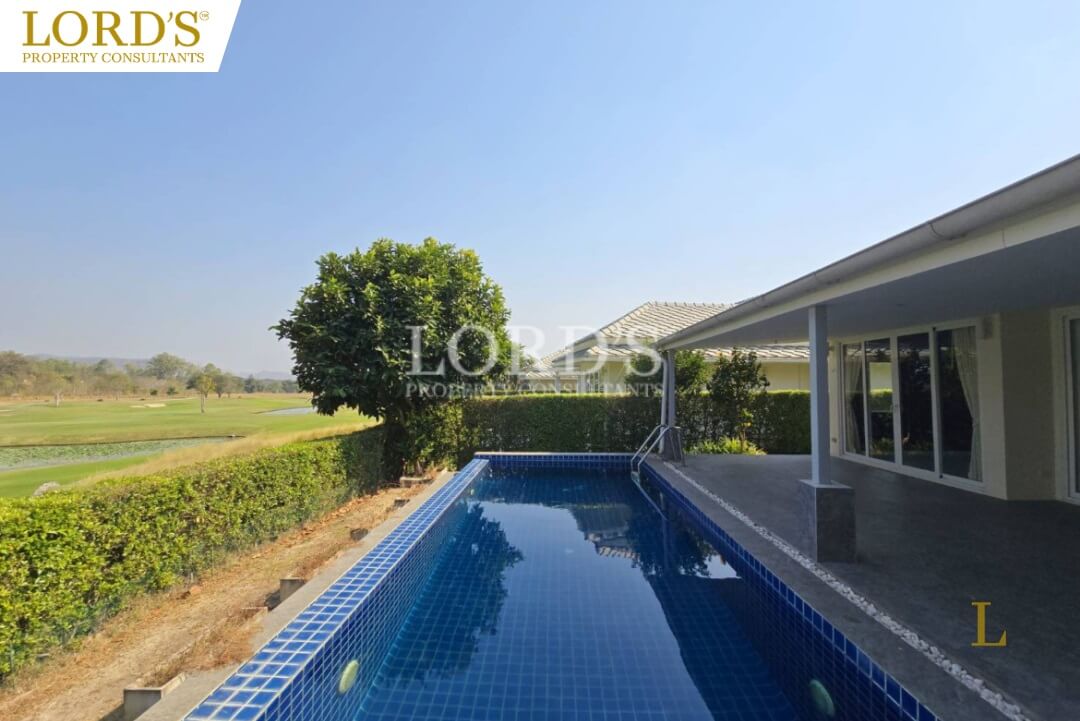
Foreigners cannot directly own land in Thailand. This means houses and villas, which sit on land, are not usually owned in your name unless special structures are used. These structures can involve lease agreements or ownership through a Thai partner, but they come with additional legal considerations.
On the other hand, foreigners can legally own condominium units under freehold ownership if the building allows foreign ownership quota. This is why many buyers choose this option. It offers clarity, long term ownership, and fewer complications.
Starting with the right understanding helps you avoid wasting time on properties that may not be suitable for you.
Step One: Define Your Goal and Budget
The first real step is to clearly define why you want to buy property in Thailand. Your goal will guide every decision that follows.
Some buyers are looking for a home to live in, while others want to generate rental income or invest for long term value. Some buyers want a mix of lifestyle and investment benefits.
Once your goal is clear, you can set a realistic budget. This should include not only the property price but also additional costs such as fees, taxes, and furnishing.
Having a clear budget helps you focus on properties that fit your plan and prevents financial stress later.
Step Two: Choose the Right Location
Location plays a major role in the success of your property purchase. Different areas offer different advantages depending on your needs.
If your goal is rental income, you should look for areas with strong demand and good accessibility. If you plan to live in the property, focus on comfort, convenience, and lifestyle factors.
Think about access to shopping, healthcare, transportation, and daily services. These details affect your everyday experience and also influence property value.
Taking time to understand the location helps you make a smarter decision that supports your long term plans.

Step Three: Shortlist and Inspect Properties
Once you know your budget and preferred location, you can start searching for properties that match your criteria.
Create a shortlist of options and compare them carefully. Look at size, layout, building quality, and available facilities. Do not rely only on photos. Visiting the property in person gives you a much better understanding.
Pay attention to details such as maintenance condition, noise levels, and surrounding environment. These factors can affect your comfort and future resale value.
This step is about narrowing down your choices and identifying the property that truly fits your needs.
Step Four: Reserve the Property
After selecting the right property, the next step is to reserve it. This usually involves signing a reservation agreement and paying a small deposit.
The purpose of this step is to take the property off the market while the next stages are being prepared. It gives you time to complete checks and finalize your decision.
Make sure the reservation terms are clearly written and understood. This includes conditions for refund and timelines for the next steps.
A clear agreement at this stage helps avoid misunderstandings later.

Step Five: Conduct Legal Due Diligence
This is one of the most important steps in the entire process. Legal due diligence ensures that the property is safe to buy.
During this stage, ownership is verified to confirm that the seller has the legal right to sell the property. Any existing debts, disputes, or legal issues are also checked.
For condominiums, it is important to confirm that the foreign ownership quota is available. This is required for legal ownership under your name.
Skipping this step can lead to serious problems, so it should always be handled carefully with proper support.
Step Six: Sign the Sales Agreement
Once all checks are completed and everything is confirmed, the next step is signing the sales and purchase agreement.
This document outlines all terms of the transaction, including price, payment schedule, and transfer conditions.
It is important to read the agreement carefully and make sure every detail is clear. If something is not understood, it should be clarified before signing.
A well-prepared agreement protects both the buyer and the seller and ensures a smooth transaction.
Step Seven: Transfer Funds Correctly
For foreign buyers, transferring funds into Thailand must follow certain rules, especially when buying a condominium under freehold ownership.
The money must be transferred from overseas in foreign currency and properly recorded. This is required to register the property in your name.
Banks usually provide documents to confirm the transfer, which will be needed during the ownership registration process.
Handling this step correctly is essential to avoid delays or complications during transfer.
Step Eight: Ownership Transfer at the Land Department
The final step is the official transfer of ownership. This takes place at the land department, where the property is registered in your name.
Both buyer and seller, or their representatives, complete the process by signing the required documents and paying any remaining fees.
Once this step is completed, you become the legal owner of the property. For condominiums, your name will appear on the title deed.
This is the moment when the transaction is fully complete, and your ownership is secured.
Understanding Additional Costs Along the Way
While following these steps, it is important to remember that there are additional costs beyond the property price.
These may include transfer fees, legal fees, maintenance charges, and taxes. For condominiums, there may also be a sinking fund payment.
Planning for these costs in advance helps you stay within your budget and avoid surprises.
Being financially prepared makes the entire process smoother and less stressful.
Common Mistakes to Avoid During the Process
Many buyers make simple mistakes that can create unnecessary problems.
One common mistake is rushing the process without proper checks. This can lead to poor decisions or legal issues.
Another mistake is not understanding ownership rules. Choosing the wrong property type can create complications later.
Some buyers also underestimate total costs, which can affect their financial comfort after the purchase.
Avoiding these mistakes is easier when you follow each step carefully and stay informed.
How to Make the Process Easier and Safer
Buying property in Thailand does not have to be complicated if you approach it in the right way.
Start with clear goals and realistic expectations. Focus on properties that match your needs and legal eligibility.
Take your time at each stage and do not skip important checks. Asking questions and verifying details gives you more control over the process.
Choosing a freehold condominium can simplify many steps and reduce risks, especially for first-time buyers.
What You Gain from Following the Right Process
When you follow a structured process, you gain more than just property ownership. You gain confidence, security, and peace of mind.
You know that your investment is legally sound and financially planned. This allows you to enjoy your property without worry.
Whether you plan to live in it, rent it out, or hold it for the future, a well-managed purchase sets a strong foundation.
Final Thoughts
The step-by-step process of buying property in Thailand for foreigners becomes much easier when you understand how each stage works. From choosing the right property to completing the final transfer, every step plays an important role.
By focusing on safe ownership options, planning your budget, and following a careful process, you can avoid common mistakes and protect your investment.
Thailand offers great opportunities for property buyers, and with the right approach, you can turn this opportunity into a successful and rewarding experience.





Join The Discussion