
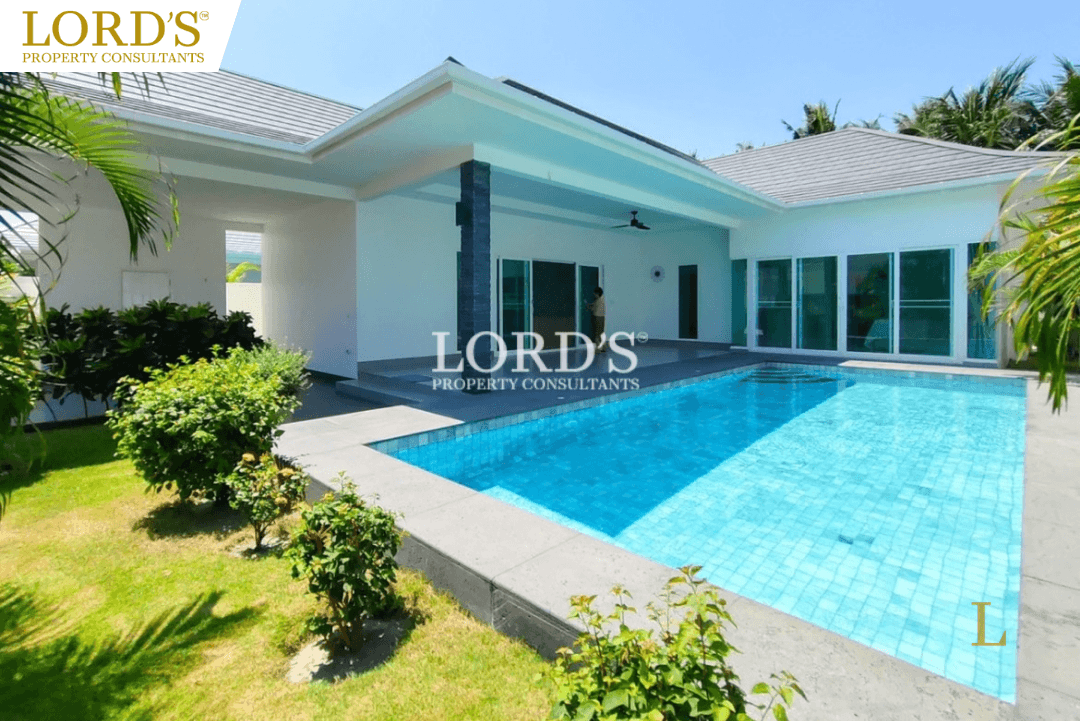
Purchasing a luxury property in Thailand while residing in the US, Europe, or Singapore is a routine, secure transaction for high-net-worth individuals. While logistics may initially seem complex, the process is well-established, utilizing precise legal frameworks and modern technology to protect your asset without requiring your physical presence.
Essential Tips for Buying Real Estate in Thailand
The good news for international investors and lifestyle seekers is that the landscape of global real estate has shifted dramatically. Buying a luxury pool villa in Thailand while sitting in a home office abroad is no longer just a possibility; it is a routine transaction for high-net-worth individuals. It is not about taking a risk; it is about utilizing a precise process where technology and legal frameworks converge to protect your asset.
The Virtual Walkthrough
The primary anxiety for any remote buyer is the inability to kick the tires. How can you judge the quality of a villa from thousands of miles away?
This is where the modern approach to remote acquisition fundamentally changes the dynamic. It is no longer sufficient to rely on static photos or pre-recorded marketing videos. Today, the most successful transactions begin with live, interactive video links.
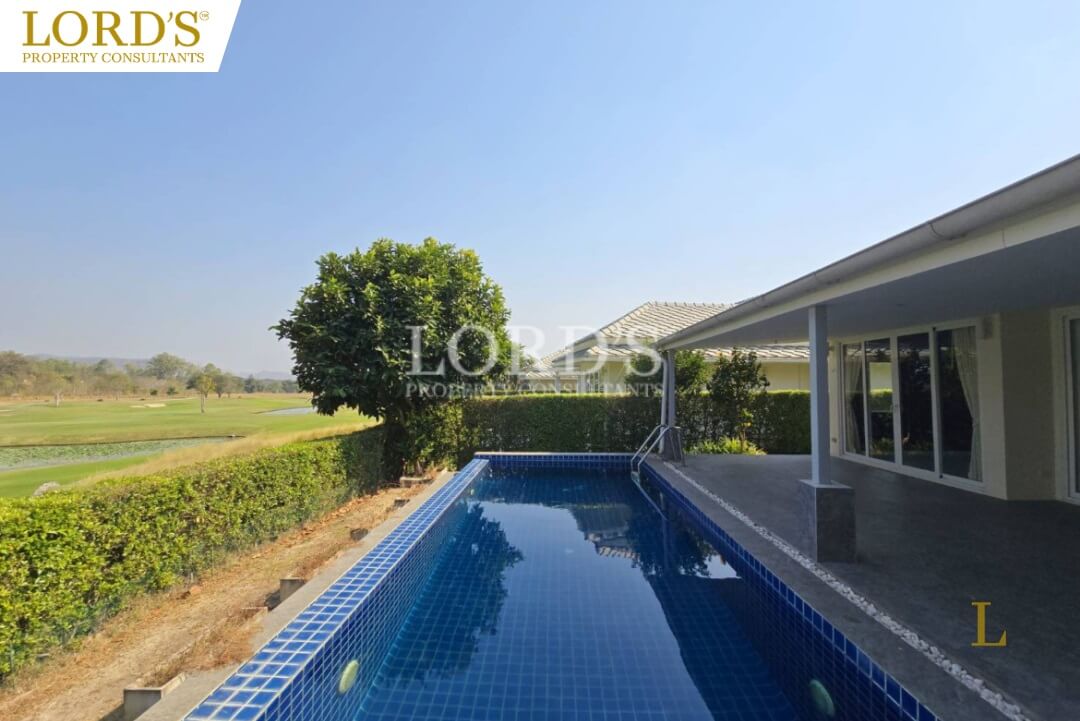
This process is forensic rather than cinematic. A competent consultant acts as your eyes and ears on the ground, conducting real-time checks that go far beyond aesthetics. This involves walking through the property to inspect the boring but critical elements: checking the pump room, inspecting the grouting quality, and even measuring noise levels from the surrounding area.
Technology has effectively shrunk the world, allowing you to experience the property’s flow and build quality without stepping on a plane. This level of detail ensures that what you see on your screen matches the reality of the asset, removing the blind faith element that previously plagued overseas investing.
The Legal Architecture
A common misconception is that you must be physically present in Thailand to sign legal documents. In reality, the Thai legal system is well-adapted to foreign investment, provided you navigate the bureaucracy correctly.
The Department of Lands explicitly allows for the use of a Power of Attorney (POA) to finalize property transfers. This is not a casual letter of authorization; it requires a specific official instrument – most commonly Form Tor.Dor. 21 for land and houses, or Form Or.Chor. 21 for condominiums.
To ensure the validity of this process, the documentation must follow a strict chain of verification. The POA must be notarized in your home country and subsequently legalized by the nearest Royal Thai Embassy or Consulate. This creates a robust “validity trail” that satisfies Thai authorities and protects the buyer. By utilizing this structure, the transfer of ownership becomes a seamless administrative task handled by your legal representative, requiring no travel on your part.
Securing Your Capital
Perhaps the most critical technical aspect of buying a Thai condominium as a foreigner is the management of funds. It is not just about the purchase; it is about ensuring you can repatriate your capital in the future if you decide to sell.
The key to this is the Foreign Exchange Transaction (FET) form (formerly known as Tor Tor 3). To qualify for this, funds must be transferred into Thailand in a foreign currency (such as USD or EUR) and converted into Thai Baht by the receiving Thai bank.
Crucial Documentation:
- For transfers over $50,000 USD: The bank will issue the official FET form.
- For transfers under $50,000 USD: You must request a “Credit Advice” or “Confirmation Letter” containing the same details.
Obtaining this document is mandatory for registering freehold ownership at the Land Department. More importantly, it is your primary proof that foreign capital was brought into the kingdom, which allows you to legally send the principal and profits back out later. Experienced consultants will oversee this banking process to ensure no step is missed, safeguarding your financial exit strategy before you even enter the market.
Understanding Ownership Rights: Leasehold vs. Freehold
Navigating ownership titles in Thailand requires a clear understanding of the distinction between land and building rights. While foreigners are generally restricted from owning freehold land in their own name, the legal infrastructure offers secure alternatives that high-net-worth clients have utilized for decades.
For landed properties like villas, the standard structure involves a registered 30-year lease. This provides legal security for the use of the land. To enhance asset protection, this is often combined with direct freehold ownership of the building itself (the physical house), separate from the land. This structure ensures you own the structure you live in, while leasing the ground it sits on.
Furthermore, foreign buyers are often advised to apply for a Yellow Tabien Baan (Civil House Registration Book). While this document does not constitute proof of ownership, it serves as official government proof of your residence in Thailand. This facilitates administrative matters – such as opening bank accounts or obtaining a driver’s license – and formally registers you at the property address.
This structure differs significantly from purchasing a condominium, where foreigners can legally hold a freehold title for the unit itself, provided the foreign ownership quota within the building has not been exceeded.
Filtering the Market
When investing remotely, you cannot afford to sift through low-quality listings yourself. The primary role of your consultant is to act as a rigorous filter, presenting only assets that meet a strict investment-grade threshold.
Current market data suggests the sweet spot for premium construction and reliable infrastructure in Hua Hin generally lies above 8 Million THB. While cheaper options exist, properties below this benchmark often require closer scrutiny regarding build specifications, plot size, or location. By targeting this higher tier, you significantly reduce the potential for maintenance issues and ensure a higher standard of living.
A crucial part of this filtration process involves investigating non-negotiable factors like flood history. Flood risk in Hua Hin is hyper-local; a street may stay dry while its neighbor does not. Independent local knowledge is indispensable here – a consultant who has worked alongside developers for decades knows the terrain better than any map. By focusing exclusively on solid assets with a proven track record, the risk of remote regret is virtually eliminated.
The Visa Question
Finally, a practical consideration that often surprises buyers is the strict separation between property ownership and immigration rights. Unlike some jurisdictions, owning a luxury villa in Thailand does not automatically grant you the right to long-term residency.
While recent policy changes now allow travelers from many nations to stay for 60 days on arrival (extendable to 90), relying on tourist entries remains a short-term fix. Border runs are increasingly scrutinized, and living solely on tourist stamps rarely offers the stability required for a seamless lifestyle. To truly match the quality of your new home, a secure immigration status is essential.
The Thailand Privilege Visa (formerly the Elite Visa) remains the gold standard for most property owners. It offers a “pay-to-stay” membership ranging from 5 to 20 years, completely bypassing the uncertainty of standard visas. Members enjoy perks like fast-track immigration, airport lounge access, and dedicated assistance, effectively outsourcing the bureaucracy to a private team.
For qualifying retirees or high-net-worth individuals, the newer Long-Term Resident (LTR) Visa is another powerful option, offering a 10-year term with significantly reduced reporting requirements. Ultimately, the goal is to align your immigration status with your investment – ensuring your time in Thailand is spent enjoying your sunset view, not queuing at immigration.
Conclusion
Buying property in Thailand from abroad is no longer a leap of faith; it is a calculated, secure process driven by legal precedent and modern technology. Whether it is ensuring the correct transfer of foreign currency or inspecting the grout in a bathroom via live video, the tools exist to make the dream a reality without you ever leaving your desk.
With the right guidance, the distance between you and a life in Hua Hin is much closer than it appears.
For personalized advice on securing property in Hua Hin, contact Mark Puttkammer at Lord´s Property Consultants.


Join The Discussion