
Deciding between Thailand’s top three property destinations – Phuket, Koh Samui, and Hua Hin – is not just about choosing a beach; it is about choosing an economic environment.
Phuket and Samui are mature, globally famous markets. While this brings prestige, it also brings inflated “tourist pricing” on everything from land values to construction materials. You are often paying a premium simply for the brand name of the island.
Hua Hin represents a different opportunity. It is a market currently driven by massive infrastructure upgrades – including a new dual-track train line and airport expansion – that have not yet been fully priced into the property market. For the investor, this creates a rare window: the ability to buy high-quality assets at a lower entry point than the islands, while benefiting from a lower cost of living and higher year-round occupancy stability. Here is the financial reality of where your capital works hardest in 2025.
The Brand Tax: Phuket
Phuket is the “Nike” of Thai property. Everyone knows it, everyone goes there, and you pay a premium for the name tag.
The Reality: Phuket is a mature market. It has an international airport, international schools, and infrastructure that rivals Bangkok. But that maturity comes with a steep entry price.
- The Cost: You are competing with global institutional money. A sea-view villa that cost 15 million THB ten years ago might be pushing 40 million THB today.
- The Yield: Rental yields are decent (6-8%), but they are heavily reliant on high-turnover tourism. If a global event slows down travel (as we have seen before), your asset sits empty.
- The Vibe: It is busy. Traffic jams are real. The cost of living is the highest in Thailand outside of Bangkok luxury zones because everything is priced for the two-week millionaire tourist.
Verdict: Good for capital preservation if you have millions to spare, but the “growth” phase has largely passed. You are buying at the top of the curve.
The Island Premium: Koh Samui
Samui is the boutique choice. It is stunning, strict on building heights (no skyscrapers blocking your view), and feels exclusive.
The Reality: Samui’s biggest strength is also its biggest financial weakness – access.
- The Monopoly: Bangkok Airways owns the airport. Flights are expensive. This naturally caps the number of tourists and potential tenants who can visit.
- The Logistics: Everything on an island costs more to build and maintain because materials must be shipped in. A bag of cement costs more in Samui than on the mainland. That construction cost is passed directly to you, the buyer.
- The Seasonality: When the monsoon hits, Samui gets very quiet. Your rental returns are often squeezed into high-season windows, leaving you with gaps in cash flow.
Verdict: A beautiful trophy asset for personal use, but a trickier logistical beast for pure investment returns.
The Smart Money: Hua Hin
Hua Hin doesn’t shout; it whispers. This is where the Thai Royal Family built their summer palaces, and for decades, it was the secret escape for Bangkok’s elite. Now, the secret is out, but the prices haven’t caught up to the hype yet.
The Reality: Hua Hin offers the highest “quality of life per dollar” ratio in the Kingdom.
- The Access: You are not held hostage by an airport. You are a 2.5-hour drive or a comfortable train ride from Bangkok. This means your tenant pool isn’t just international tourists; it’s also wealthy Bangkok Thais looking for weekend homes. That is year-round demand.
- The Infrastructure Boom: A new dual-track train line has arrived. The airport is expanding to take more regional flights. The highway is being upgraded. You are buying into a market during its infrastructure upgrade, not after (like Phuket).
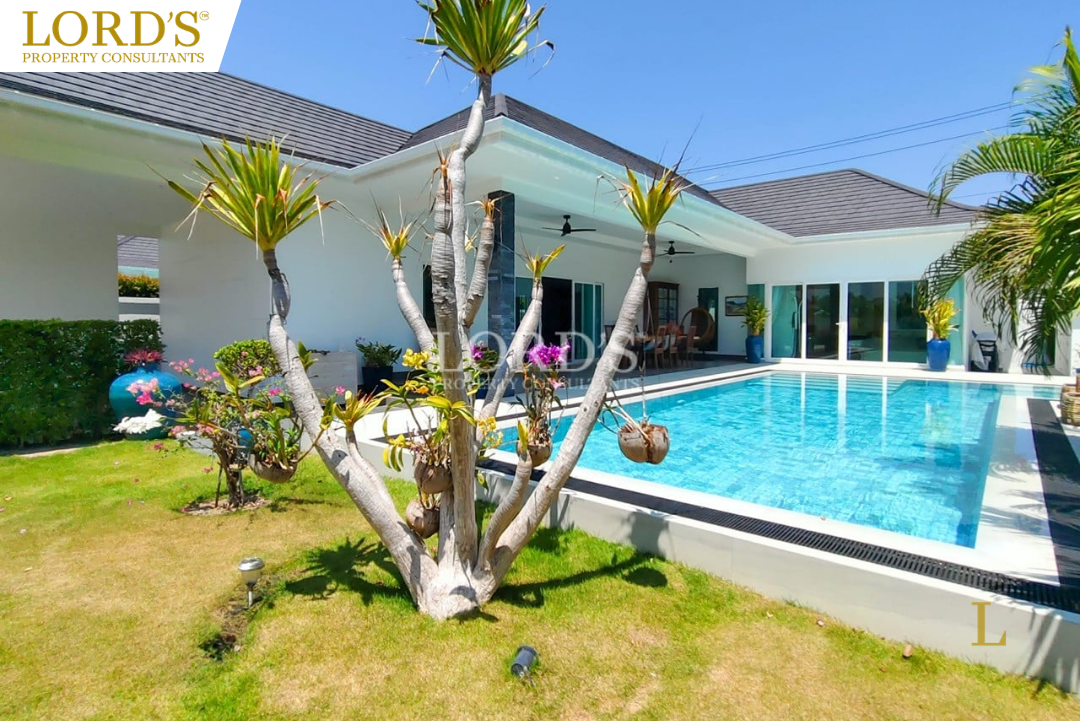
- The Value: For the price of a 2-bedroom condo in Phuket with no view, you can buy a 3-bedroom pool villa in Hua Hin on a generous plot of land.
Verdict: The pragmatic choice. Lower entry point, steady year-round demand, and significantly lower holding costs.
The Cost of Living Gap
When you invest, you aren’t just buying bricks; you’re buying a lifestyle or selling one to a tenant.
In Phuket or Samui, you are paying Island Prices. A western meal might cost 400-600 THB. A taxi ride is a flat rate negotiation often starting at 500 THB.
In Hua Hin, the economy is grounded in reality.
- Food: You can eat like a king at a night market for 100 THB or have a fine dining seafood dinner for a fraction of Phuket prices.
- Transport: It is navigable and affordable.
- Community: It has one of the largest active expat retirement communities in Asia. It’s safe, clean, and the hospitals (like Bangkok Hospital Hua Hin) are world-class but accessible.
Why this matters for your wallet: If you plan to retire here, your pension goes 30-40% further in Hua Hin than in Phuket. If you plan to rent it out, long-term tenants (retirees) prefer Hua Hin because their pension goes further, leading to longer, more stable tenancies for you.
A Note on The West
Let’s briefly look at what your money does back home. In Sydney, London, or Munich, $250,000 (approx. £190k or €230k) gets you a parking space or a deposit on a cramped apartment in a commuter town with grey skies.
In Hua Hin, that same amount buys you a brand new, private pool villa with a landscaped garden, fully furnished, often with a remaining budget for a small car. The comparison isn’t even fair. You are trading a shoebox for a sanctuary.
Leasehold vs. Freehold
You will hear these terms thrown around constantly. Here is the simple version for a non-lawyer:
- Freehold (Thai Quota): Foreigners generally cannot own land in their own name. However, we can own Condos Freehold (100% in your name) as long as 51% of the building is Thai-owned. This is the “easiest” ownership.
- Leasehold: This is standard for Villas. You own the house (the bricks and mortar) in your name, but you lease the land for 30 years, renewable with the permission of land owner
Don’t panic. Thousands of foreigners have safely owned property this way for decades. The key is not the law itself, which is standard, but the structure of the contract. This is where having a local guide who knows the difference between a “standard contract” and a “watertight contract” is vital.
Where Does Your Investment Go Further?
If you want a party capital and don’t mind paying top dollar for it, Phuket is fine. If you want total isolation and don’t mind the logistics, Samui is lovely.
But if you want:
- Asset Security: Buying into a market with rising infrastructure value.
- Lifestyle ROI: Living a luxury life on a modest budget.
- Stability: Year-round rental demand from both expats and Bangkok locals.
Then the arrow points firmly to Hua Hin. It is the sophisticated, stable sibling of the Thai property family.
Finding the right asset here requires local ears to the ground – knowing which developer delivers on time, which location is up-and-coming, and which legal structure protects you best.
Summary
The math is simple. Phuket and Samui offer high-visibility assets, but they come with the highest entry costs, the highest daily living expenses, and rental yields that fluctuate wildly with global tourism trends. You are paying for the postcard, not the performance.
Hua Hin offers the inverse: a lower cost of entry, significantly lower holding costs, and a rental market stabilized by domestic wealth and long-term expats. It is an investment in a location that is growing with new infrastructure, rather than one that has already maxed out its potential.
For the investor who wants flash, the islands are waiting. For the investor who wants yield, security, and a lifestyle that doesn’t bleed the wallet, Hua Hin is the undisputed leader. Making the right move requires navigating local laws and knowing the real value of the dirt before you buy it. That is where Lord’s Property Consultants steps in – turning market confusion into a clear, profitable portfolio.
FAQs
Which is better for property investment: Hua Hin or Phuket?
Hua Hin is generally better for investors seeking affordability, stable rental demand, and long-term growth driven by infrastructure development. Phuket, while globally recognized, is a mature market with higher entry costs and returns that depend heavily on tourism, making it better suited for high-budget investors focused on capital preservation rather than growth.
Is Hua Hin cheaper than Phuket for real estate?
Yes, Hua Hin is significantly more affordable than Phuket. Buyers can often purchase a larger pool villa or land plot in Hua Hin for the same price as a smaller condo in Phuket, making it a more attractive option for investors looking to maximize value and space.
What are rental yields like in Hua Hin vs Phuket?
Phuket typically offers rental yields of around 6–8%, but these are highly seasonal and depend on tourist demand. Hua Hin provides more stable, year-round rental income due to a mix of expats, retirees, and Bangkok residents, even if headline yields may appear slightly lower.
Is Phuket property a good long-term investment?
Phuket can be a solid long-term investment for capital preservation because of its global reputation and developed infrastructure. However, since prices are already high, future growth potential is more limited compared to emerging markets like Hua Hin.
Why do investors choose Hua Hin over Phuket?
Investors are increasingly choosing Hua Hin because of its lower entry prices, improving infrastructure, and more consistent tenant demand. Its proximity to Bangkok also creates a steady flow of domestic renters, reducing reliance on international tourism.
Is Hua Hin good for rental income?
Yes, Hua Hin is well-suited for rental income, especially long-term leases. The presence of retirees, digital nomads, and Bangkok weekend residents creates steady occupancy throughout the year, reducing vacancy risks compared to more seasonal destinations.
What are the risks of investing in Phuket property?
The main risks include high upfront costs, dependence on international tourism, and market saturation. Economic downturns or travel disruptions can significantly impact rental income, and competition from luxury developments can affect occupancy rates.
Is Hua Hin a good place to retire and invest?
Hua Hin is widely considered one of the best places in Thailand for retirement and investment. It offers a relaxed lifestyle, lower cost of living, quality healthcare, and a strong expat community, all of which support long-term rental demand and property value stability.
How does cost of living compare between Hua Hin and Phuket?
The cost of living in Hua Hin is generally 30–40% lower than in Phuket. Everyday expenses such as food, transport, and services are more affordable, making it appealing for both residents and long-term tenants, which benefits property investors.
Can foreigners buy property in Hua Hin or Phuket?
Foreigners can legally own freehold condominiums in both Hua Hin and Phuket, provided foreign ownership quotas are met. For villas or land, buyers typically use leasehold structures, where they own the building but lease the land long-term under legally structured agreements.



Join The Discussion