
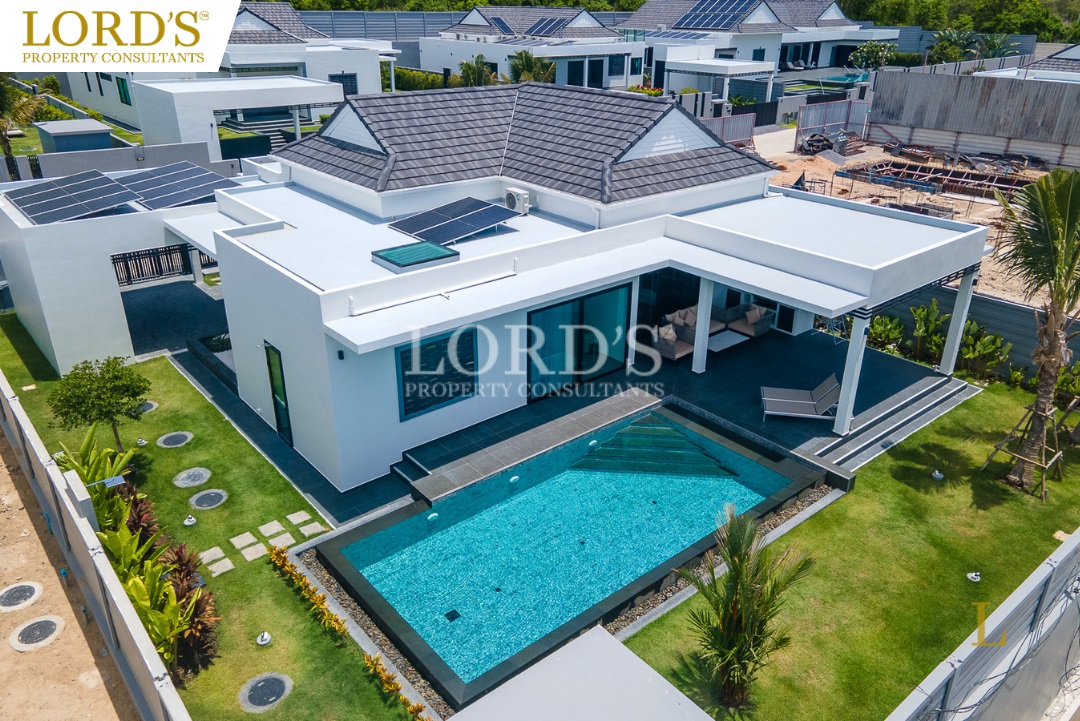
Most people ask this question backwards. They assume they need a visa before they can buy. The truth is more useful: you do not need a visa to purchase property in Thailand. But if you want to actually live here after buying, the visa question matters a great deal. Getting this wrong costs people months of confusion, unnecessary visa runs, and sometimes real money.
This guide explains exactly how visas and property ownership connect in Thailand, what your realistic options are in 2026, and which path makes the most sense depending on your situation. Whether you are browsing from overseas or already living in Hua Hin, you will find clear answers below.
Table of Contents
Do You Need a Visa to Buy Property in Thailand?
No. Thailand does not require you to hold any specific visa to purchase a property. A foreign national can legally buy a condominium unit in their own name as long as it falls within the 49% foreign ownership quota of that building. You can complete the entire transaction on a tourist visa, or even visa-exempt entry.
However, there are two things where your visa status does matter:
- Transferring funds from abroad. Your Thai bank will need a Foreign Exchange Transaction (FET) form for transfers over USD 50,000. A proper non-immigrant visa makes opening a Thai bank account significantly easier.
- Living here after buying. If you want to stay in Thailand long term and not keep doing 90-day runs or border hops, you will need a suitable long-stay visa.
Important: Buying property does not automatically give you the right to stay in Thailand. Ownership and residency are entirely separate under Thai law.
What Can Foreigners Actually Own in Thailand?
Before picking a visa, it helps to know what you can legally own. If you want a full breakdown, this guide on how property ownership works in Thailand covers every structure in detail. The key rules are straightforward once you understand them.
Condominiums (Freehold Ownership)
This is the most common and cleanest option for foreign buyers. You own the unit outright in your name, the same way a Thai national does. The only restriction is that foreigners as a group cannot own more than 49% of the total units in any one building. If you want to know what a given budget realistically gets you, this breakdown of what 1 million dollars buys in Thailand real estate gives a clear picture.
Houses and Villas (Structure Without Land)
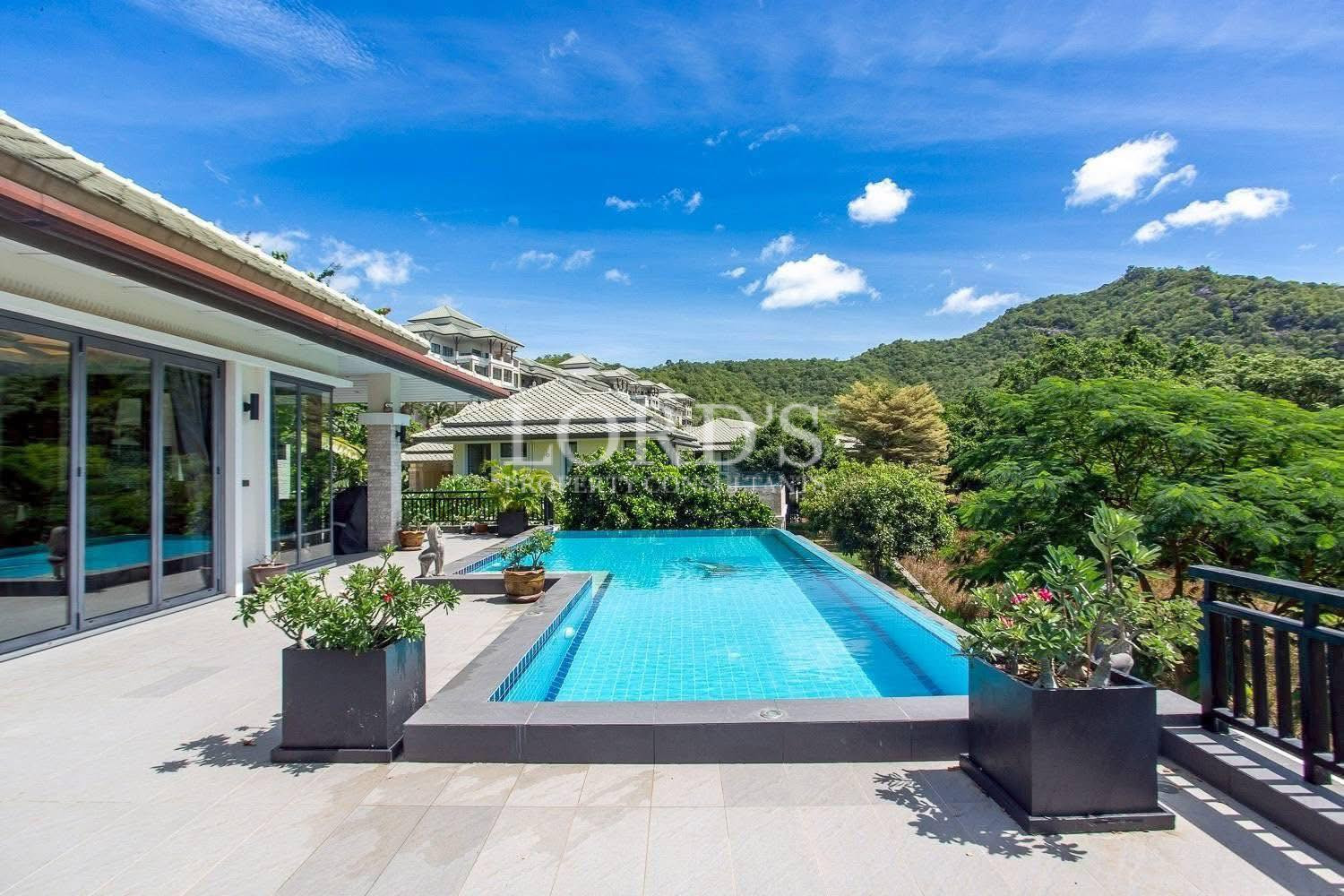
Foreigners can own the building but not the land underneath it. The land is typically held on a 30-year leasehold, which can sometimes be extended. Leasehold vs freehold in Thailand is one of the first decisions every villa buyer needs to understand before signing anything.
Land (Direct Ownership Not Permitted)
Thai law does not allow foreigners to directly own land. Alternatives include long-term leasehold agreements (30 years, renewable), or holding land through a properly structured Thai company. The Thai company route has faced stricter enforcement since 2025, so professional legal advice is essential before going this route. If you are considering building a custom home in Thailand, understanding land title structures from the beginning is critical.
The 5 Visa Options That Make Sense for Property Buyers
Here is how each main visa type connects to property ownership and long-term living in Thailand.
| Visa Type | Cost / Threshold | Duration | Best For |
| Thailand Longstay (Property Visa) | THB 3 million property | 1 year renewable | Anyone buying a qualifying condo |
| Thailand Privilege Visa | THB 900K-2.5M one-time fee | 5 or 10 years | Lifestyle buyers, no property requirement |
| LTR Visa (Wealthy Global Citizen) | USD 500K investment | 10 years | High-net-worth individuals |
| LTR Visa (Retiree) | USD 250K in bonds/property + USD 80K income | 10 years | Retirees 50+ with substantial income |
| Non-Immigrant O-A (Retirement Visa) | THB 800K in Thai bank | 1 year renewable | Retirees 50+, simpler requirements |
1. The Thailand Longstay Visa (The New Property-Linked Option)
This is the most talked-about development in Thailand property and visa circles right now. Introduced in October 2025 under Immigration Orders 237/2568 and 238/2568, this pathway directly connects property investment to legal long-term residence. It has no minimum age requirement, which sets it apart from retirement-focused options.
To qualify, you invest at least THB 3,000,000 (roughly USD 83,000) in one of three ways:
- Buy a freehold condominium unit valued at THB 3 million or more
- Enter a registered long-term lease with a total contract value over THB 3,060,000
- Commit to a minimum rental of THB 85,000 per month on a qualifying agreement
Once you qualify, you receive a one-year renewable extension of stay classified as Non-Immigrant B (Investment). You also need a Certification Letter from the Ministry of Tourism and Sports through Thailand Longstay Service (TLS), which processes your eligibility. Health insurance is also required, typically with minimum inpatient coverage of THB 400,000.
As of mid-2026, the full administrative procedures for this pathway are still being rolled out. Processing times and regional immigration office familiarity vary. If you are pursuing this route, confirm current timelines with an immigration specialist.
2. Thailand Privilege Visa (Formerly Elite Visa)
This is one of the most convenient options if you want to live in Thailand without the hassle of visa renewals. You pay a one-time government fee (packages range from around THB 900,000 for 5 years up to THB 2.5 million for 20 years) and receive long-term multiple-entry status with VIP services at the airport and immigration offices.
Importantly, this visa does not require you to own property. Many buyers pair it with a condo or villa purchase because it removes all the administration headaches. The main trade-off is that it comes with no income tax exemption. Foreign income remitted to Thailand is taxed at progressive rates up to 35%, unlike the LTR visa. Some buyers find that the reasons others have regretted buying property in Thailand come down to exactly this: not planning the visa and tax structure before buying.
3. LTR Visa (Long-Term Resident)
Launched by the Thai government to attract high-value residents, the LTR visa provides a 10-year renewable residency with some significant financial benefits. The most valuable is the income tax exemption on foreign-sourced income, which the Privilege Visa does not offer.
There are different LTR categories. For most property buyers, the two most relevant are:
- Wealthy Global Citizen: Net worth of at least USD 1 million and a minimum USD 500,000 investment in Thailand (which can include property, government bonds, or direct investment).
- Wealthy Pensioner (Retiree): Age 50 or above, annual passive income of at least USD 80,000, OR USD 40,000-80,000 income combined with a USD 250,000 investment in qualifying Thai assets including property.
The LTR also comes with annual immigration reporting instead of every 90 days. It does not grant additional property rights beyond what Thai law already allows. For Americans specifically, this guide on whether Americans can own property in Thailand covers the nationality-specific considerations that apply.
4. Non-Immigrant OA Retirement Visa
This is the traditional long-stay option for retirees. If you are 50 years or older, you can apply for an annual renewable visa by maintaining THB 800,000 in a Thai bank account, or showing a monthly income of at least THB 65,000. It does not require property ownership, but many retirees choose to buy because it gives them a stable home base without monthly rent costs. If you are weighing up the options, this comparison of renting vs buying in Hua Hin is worth reading before you decide.
The main difference from the LTR is simplicity and cost. There is no large upfront investment required. But there is also no income tax exemption, and you must report to immigration every 90 days.
5. Digital Nomad Visa (DTV)
Introduced in 2024, the Destination Thailand Visa targets remote workers and freelancers who want to spend extended time in Thailand without committing to a large investment. It allows up to 180 days per entry with a 5-year validity and costs around THB 10,000. Some buyers who want flexibility before committing have used it to explore the market from inside Thailand. For those buying real estate in Thailand from overseas, the DTV can serve as a practical first step to visit, inspect properties, and meet agents in person before making a decision.
The FET Form: Why Your Visa Matters When Transferring Money
Even though no visa is required to purchase property, there is a practical reason why your visa status matters during the buying process.
When you transfer money from abroad to buy a Thai property, your bank will issue a Foreign Exchange Transaction (FET) form for any transfer over USD 50,000. This document proves the money came from outside Thailand and in foreign currency. You need it when transferring the title deed at the Land Office.
Opening a Thai bank account, which makes these transfers much simpler, typically requires a non-immigrant visa. Tourist visa holders can sometimes open accounts but face more restrictions. If you plan to purchase, getting the right visa in place before transferring large sums makes the process significantly smoother. There are also property taxes and fees in Thailand that apply at the point of transfer, so understanding your total cost upfront avoids surprises.
Tax
Since 2024, Thailand has enforced taxation on foreign income remitted to Thailand in the same tax year it was earned. This affects most long-term residents who receive pensions, rental income, or investment income from abroad.
The visa you choose has a direct impact here. LTR Wealthy Global Citizen holders are exempt from Thai personal income tax on foreign-sourced income. All other visa holders, including Privilege Visa holders and retirement visa holders, face progressive rates up to 35% on remitted foreign income. If you are thinking about this as a long-term investment vs lifestyle purchase, the visa choice affects your overall return significantly.
Buying in Hua Hin Specifically
Hua Hin sits in a slightly different position from Bangkok or Phuket. It has a more relaxed pace, strong infrastructure for retirees and long-stay residents, and a growing range of freehold condominium developments that qualify for the Thailand Longstay property investment pathway. Many buyers here are in their 50s and 60s, combining a retirement-friendly lifestyle with a practical long-stay visa strategy. If you are deciding between markets, this comparison of Hua Hin vs Phuket and Samui breaks down where your investment goes further.
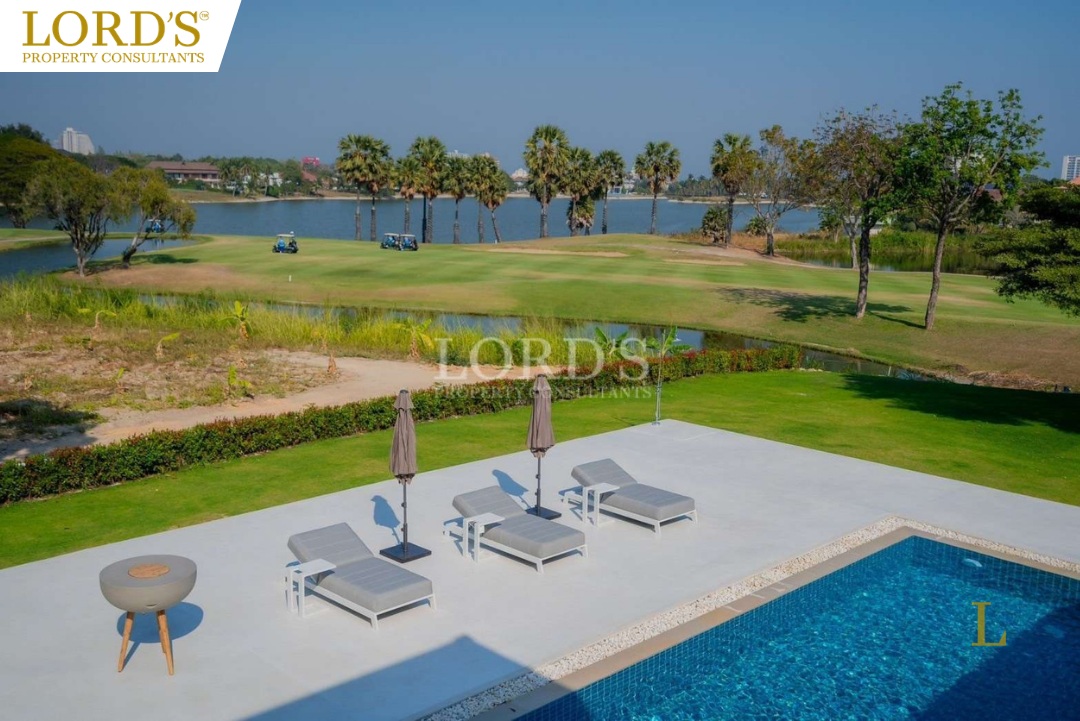
For buyers looking at the higher end of the market, this overview of luxury golf properties in Hua Hin covers a segment where the Thailand Longstay visa threshold is comfortably met and the lifestyle case is very strong. There is also a compelling argument for Hua Hin as a long-term base for expats, which this guide on smart property investment in Hua Hin covers in detail.
The local immigration office in Hua Hin is smaller than those in major cities. For newer pathways like the Thailand Longstay visa, it is worth confirming with a local specialist that the specific office is fully processing these applications before you structure your purchase around them.
Lord’s Property Consultants, based in Hua Hin, works with buyers throughout the acquisition process and can connect clients with qualified legal and immigration professionals to make sure the property purchase and the long-stay visa strategy align from the start.
Which Visa Path Is Right for You?
A simple way to think about this:
- Under 50, buying a condo worth THB 3 million or more, want to live here long term: Thailand Longstay property visa or Thailand Privilege Visa.
- Over 50, income-focused, want the best tax position: LTR Wealthy Pensioner visa with qualifying investment.
- Over 50, straightforward requirements, lower income: Non-Immigrant OA Retirement Visa.
- High net worth, want maximum stability and tax protection: LTR Wealthy Global Citizen.
- Exploring before committing: DTV or tourist entries while you research the market.
FAQ
Can I buy property in Thailand on a tourist visa?
Yes. There is no Thai law that prevents a tourist visa holder or even a visa-exempt visitor from purchasing a condominium. The legal ownership transfer happens at the Land Office regardless of your immigration status. However, opening a bank account and managing large transfers is easier with a non-immigrant visa.
Does buying property in Thailand get me a visa or residency?
Not automatically. Property ownership and visa status are legally separate. However, buying a qualifying property (THB 3 million or more through an eligible program) can support an application for the Thailand Longstay annual extension, or count toward the investment threshold of an LTR visa.
What is the cheapest way to get long-term stay rights when buying property in Thailand?
The Thailand Longstay property pathway has the lowest entry point at THB 3 million in property, which is money you are investing rather than spending. If the property itself qualifies, you are not paying separately for the visa. The retirement visa (OA) requires THB 800,000 in a Thai bank account but has no investment return attached to it.
Can foreigners own a house in Thailand?
Foreigners can own the structure (house or villa) but not the land it sits on. Land is typically held under a 30-year leasehold agreement. In practical terms, most foreigners buying villas in places like Hua Hin hold the land on a lease and own the building itself.
Is buying property in Thailand safe for foreigners?
Buying a freehold condominium within the foreign quota is considered the most legally secure option for foreign buyers. Villa and house purchases involve more complexity because of the land ownership issue, which is why proper due diligence and legal representation matter. Title searches, FET documentation, and contract review are essential steps before any transaction.
Conclusion
The short answer is that you do not need any specific visa to buy property in Thailand. But the question most buyers are actually asking is: can I live here after I buy? That is where the visa decision matters, and the answer in 2026 is better than it has ever been.
The Thailand Longstay property visa, the LTR program, and the Privilege Visa each offer genuinely workable paths for foreign buyers across different budgets and life stages. The key is matching the right visa to your actual situation before you complete the purchase, not after.
If you are considering buying in Hua Hin and want to understand how property and long-stay visa planning work together, getting the right local advice early saves both time and cost. The property you buy, the structure you buy it in, and the visa you hold need to work together from day one.



Join The Discussion